
Curious About Modern Board Games But Don't Know Where to Start? Here’s a Beginner’s Guide
4 Simple Steps to Ease Into the Hobby

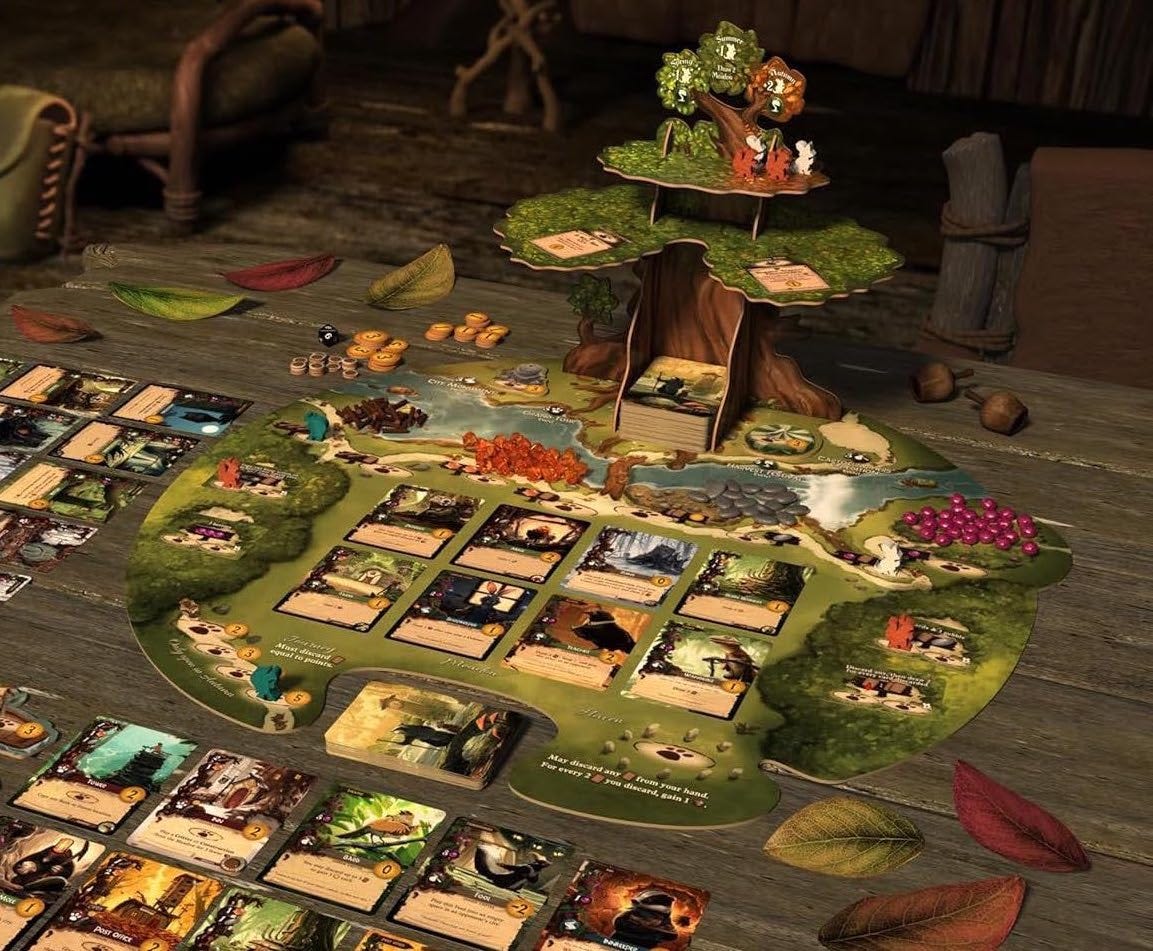
STEP 1: WHAT SPEAKS TO YOU?
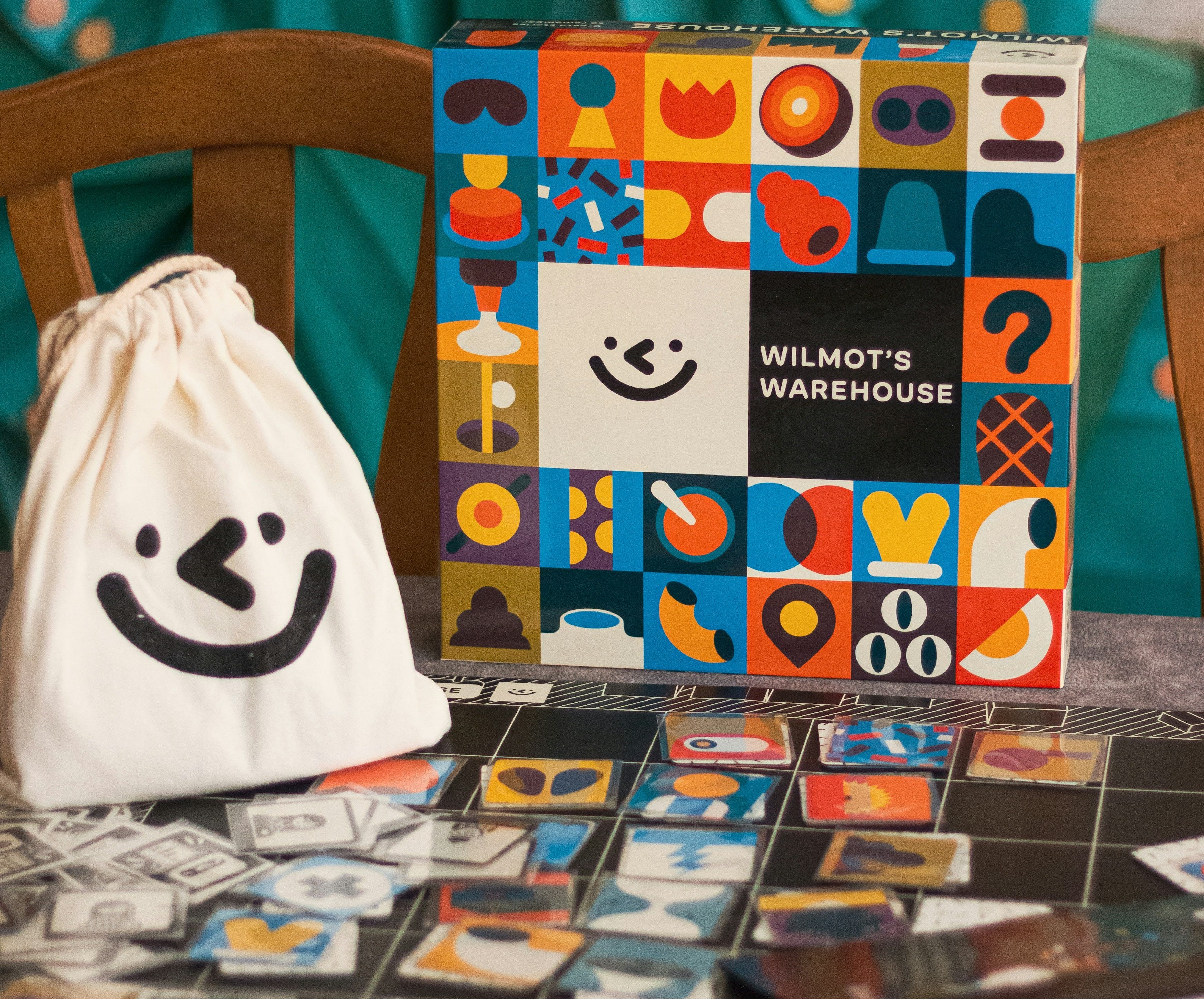
Your first step is listing what kinds of activities or topics resonate with you. The subject matter can be anything from history to hiking or cooking! Odds are there’s a board game just for you! But before you set forth on your journey, there are two essential board game terms you should understand first: theme and mechanics.
Board Game Mechanics
Board game “mechanics” or “mechanisms” are different sets of rules or game systems that dictate a game’s structure. For example, many auction games involve mechanics such as bluffing, betting, and risk-taking.
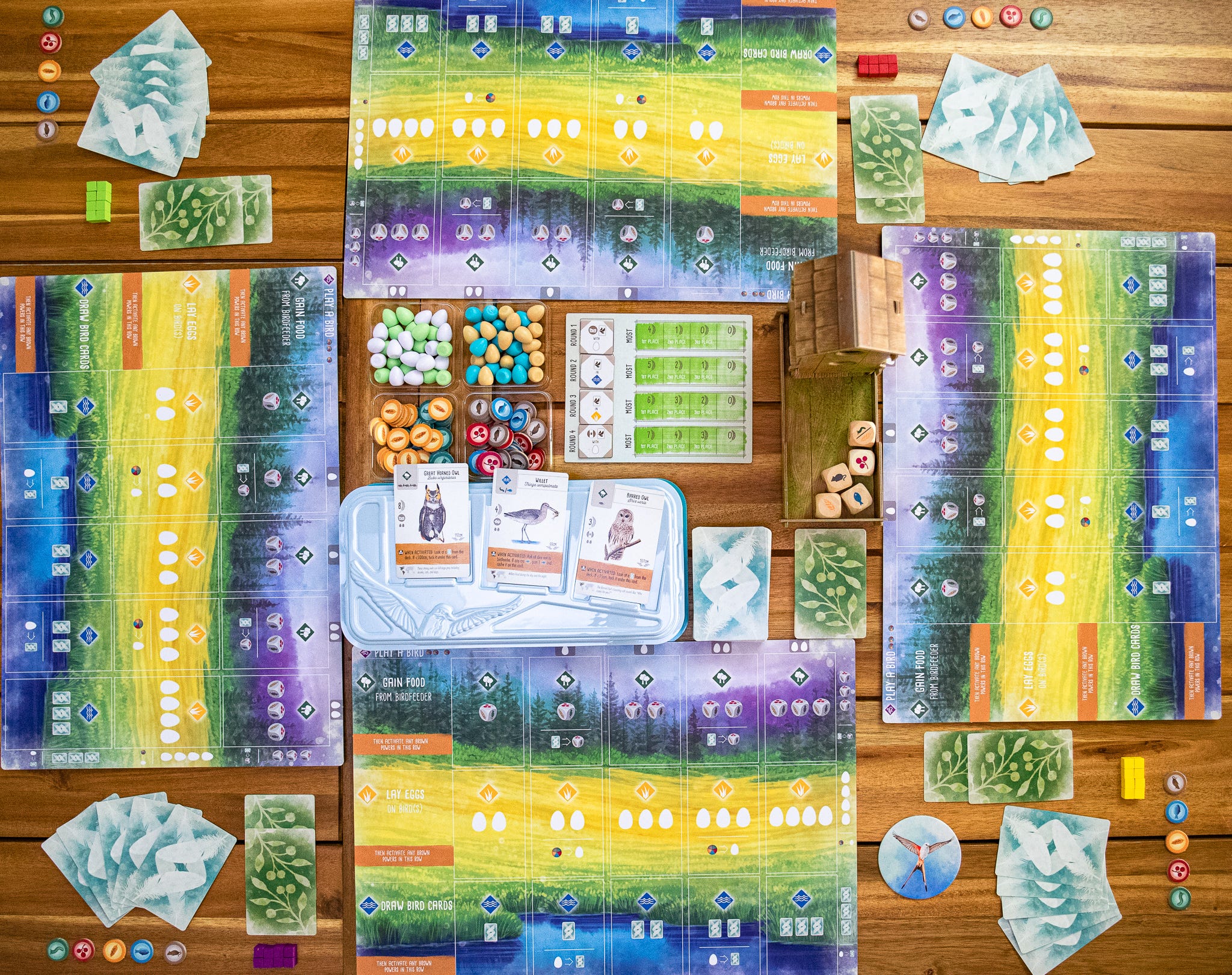
Example: In Wingspan (a game about birds), some of the gameplay mechanics involve dice rolling, card management, laying eggs, competing over public goals, etc. For a game like Chess, some mechanisms include grid movement, static capture, and sudden death.
Theme
Unlike a movie or a novel, the word “theme” in board games is often used to describe the game’s setting or general aesthetic.
Example: Wingspan has a bird aesthetic and includes theme-driven game components such as a bird feeder that doubles as a dice tower and charming pastel egg tokens.
Although Wingspan has a bird “theme,” it’s ultimately just a "setting" or a visual coat of paint. Some gameplay elements like playing bird cards and laying eggs are abstract rules and aren't meant to simulate real-life bird activities such as bird watching or wildlife conservation. This distinction is crucial because some players favor themes, while others favor game rules or “mechanisms,” and some favor both. In that respect, some gamers may play Wingspan simply because they enjoy the game rules, even if they don’t necessarily care for the bird theme.
Theme as Story
Theme in board games can also refer to a narrative or concept that illustrates why players are doing specific actions in the game.
Example: In this game, players play as competing space travel corporations trying to reach mars.
Thematic Mechanisms
Some board games feature highly thematic rules mechanics, where your actions make logical sense, such as war games in which you’re representing a nation at war, taking actions like invasion, recruitment, territory control, scouting, line of sight, diplomacy, etc.
Abstract Themes
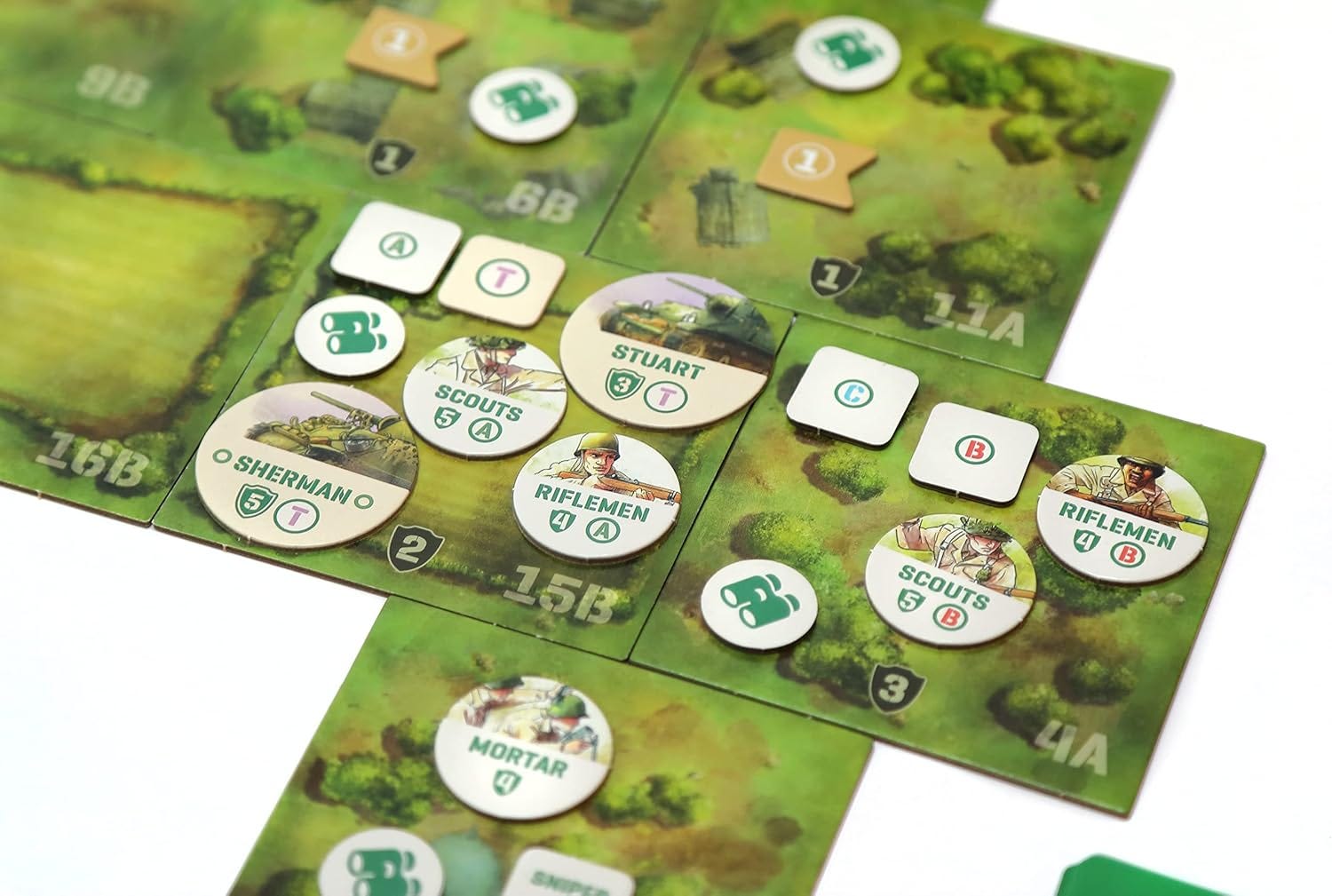
Some games feature a “theme” or “setting” that’s basically window dressing to make them look modern or aesthetically pleasing. These kinds of visual settings are more common in modern abstract-style games.
Abstract Games: Board Games like Chess or Go that often focus on pure strategy with very few random elements.
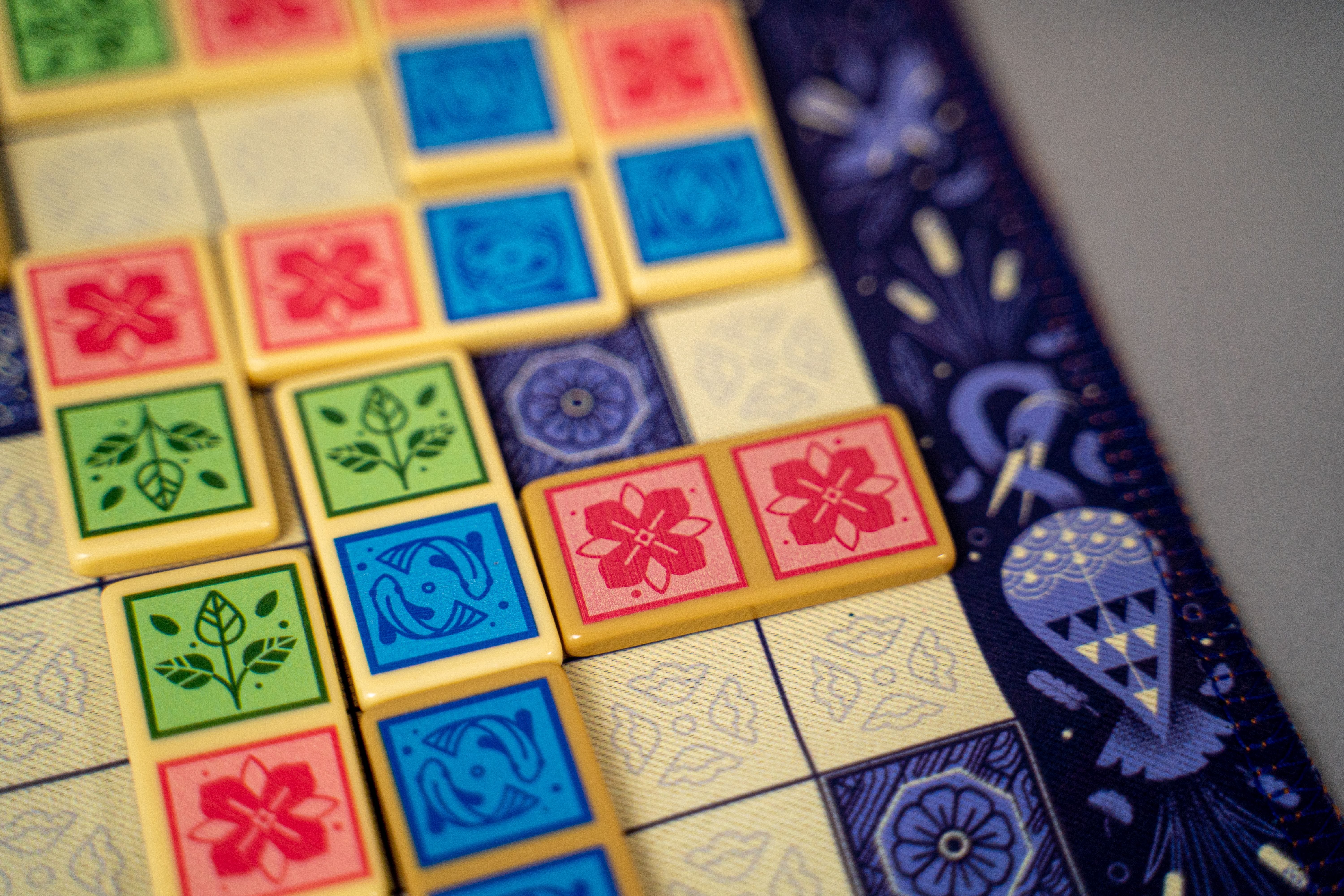
Example: Gazebo (image below) is an abstract strategy game with a theme about making botanical gardens, but in reality, all you’re doing is playing dominoes pieces in an innovative way.
The List
There are thousands of games in existence, and many of them even share the same theme or setting. If you’re a wildlife enthusiast, you might be in search of games that have a nature theme. While that’s a good starting point, there are already many nature-themed games out there, each with different game mechanisms and rules. How do you even know what to pick? Ultimately, it’s going to depend on which types of mechanisms you enjoy or prefer more than others. For example, if you enjoy nature themes and dislike tile-laying games, you will have a better idea of which games to avoid and which ones to focus on.
Of course, you won’t know what game mechanisms you like or dislike until you dive deeper into the hobby. For now, I wouldn’t worry too much about game rules or game mechanics. Just start playing some entry-level games with themes and artwork you find appealing and go from there.
Game Categories
Besides themes, there are also different board game categories aimed at different demographics and experience levels. Here are some basic categories you should also be aware of:
Filler Games: Simple small box games that play fast and are usually meant to kick off game nights.
Party Games: Games with simple rules that play best with large groups of people.
Family Games: Games that play better with smaller groups and are a bit more involved than party games.
Heavy Strategic Games: Games of higher complexity meant for experienced gamers.
But My Interests Are Very Niche. There’s No Way There’s a Board Game for Me!

Hold your horses there! Don’t discount any topics or activities you enjoy when making your list, because there’s likely a game just for you! Don’t believe me? Check this out:
Do you like camping or visiting national parks? There’s a game about visiting national parks.
Do you like history? There’s a whole underground sub-genre of board games focusing on historical events and wars.
Do you like taking photos? There’s a board game for that, literally and figuratively.
Do you like traveling and planning in advance? There’s a line of travel-themed games where players build itineraries that serve both as part of the game and as real-life travel plans.
As you can see, there are many kinds of board games. So, start writing down some activities or themes you believe you and your friends will enjoy!
Tip: Remember, this is just a starting point. Just because you’re into certain themes doesn’t mean you should avoid games outside your comfort zone. You’d be surprised by how many games I initially discounted over their appearance but ended up loving.
STEP 2: BOARD GAME GEEK
Board Game Geek will be your main resource for board games. Think of it as the Wikipedia of board games. On BGG, you will find many different things, including:
News, guilds, blogs, reviews, community ratings, award lists, crowdfunding news, contests, rankings, and a large marketplace for trading and selling board games.
BGG is not only a place to consume board games; it’s also a place where you can contribute to the board game community by sharing pictures, writing reviews, rating games, logging plays, creating fan materials, and more!
Note: Another alternative is to go to YouTube and search videos of content creators who’ve made lists designed specifically for newcomers.
Picking Games

Now that you’ve narrowed down some themes and activities, I recommend browsing the Top 100 lists on BGG and seeing what stands out to you from there.
What is a BGG top 100?
BGG ranks all games indexed in the BGG database by average user scores and number of votes, creating a master list that starts from the number one spot all the way to the thousandth spot. The first page covers the top 100, while the second page covers games ranked in the 200s, and so on.
Top 100 Party Games
https://boardgamegeek.com/partygames/browse/boardgame
Like the name suggests, this list focuses on games that play well with large groups of people of all ages and demographics. With party games, you’ll often find many mystery games, clue games, or charade-style games with rules that are simple but also suitable for modern standards. They are perfect for functions, large gatherings, networking events, etc.
Top 100 Family Games
https://boardgamegeek.com/familygames/browse/boardgame/page/1
This list focuses on family-style games that play better with smaller groups (2 to 4) and have more rules than party games, while also being accessible to casual players… and your parents. Family-style games are perfect for intimate gatherings with friends, youngsters, or your loved ones.
Top 100 Overall
https://boardgamegeek.com/browse/boardgame
While the BGG top 100 includes some party games and family-weight games, I would come back to this list once you’re more experienced and comfortable with complex games. I wouldn’t recommend hosting most of these games unless your group is experienced and willing to play them. Otherwise, you could risk alienating people from the hobby by making them think modern board games are overly complex. However, if you’re curious to see what’s out there, it’s still a cool list worth exploring.
It All Comes Down to Personal Taste
Remember, board game rankings and lists are subjective. While most games on these lists have remained popular over the years, your tastes and preferences will determine your ratings. Much like art, board game rankings can vary based on popularity and other factors. Just because a game is ranked number one doesn’t mean it’s automatically perfect for you or better than the one in the 98th spot. That being said, the top 100 list is a fantastic resource to start off with, as all the games in it are generally excellent picks that have stood the test of time. You just need to figure out which ones are best for you.
STEP 3: RESEARCH

Once you’ve identified some games from the BGG top 100 that interest you, research them and dissect them. Start by reading the games’ descriptions, reading user reviews, watching gameplay videos or content creator reviews, etc. Based on your research, refine your list into a smaller list of games that you think could appeal to your friends and loved ones.
Important Elements of a BGG Game Page
When landing on a game’s BGG listing page, there are several elements that can help you determine if a game is for you. Let’s focus on the most important ones by using Cascadia as an example:
Ranking: In the top right corner of a game’s listing page, you’ll see its ranking on BGG. In the case of Cascadia, it currently ranks as the 60th best game in the general BGG top 100 and 11th place in the BGG top 100 family games category.
Player Count: In the player count section, you will see how many players can officially play the game and what the “best” player count is (voted by community users).
Game publishers often claim their games play well across all player counts, when in reality, they play best at a specific range. Don’t worry too much about this; I only mention it so you’re aware of what it means. Most “best at” user votes are accurate, and game reviewers will often point this issue out as well.
Overall, try to Keep player counts in mind when buying games, as you’ll want to buy titles that realistically fit the number of players you expect to play with.
Game Weight Score: Every game page lists a weight score (based on user votes) that ranges from 1 to 5. A game weight score measures a game’s complexity level, not its actual physical weight. I suggest starting off with games that range from 1 to 2.5 on the weight scale.
Tip: If you’d like to narrow down your search, try using the advanced search feature that’s located in the search bar of the BGG page. With the advanced search bar, you can filter your searches by categories, mechanics, playtime, complexity, etc.
Seek Advice
If you’re still unsure of what to buy, visit your local friendly game store and ask the staff for suggestions. If you’d like to get a taste of what modern games have to offer before jumping in, play games at a board game cafe, join a Facebook group, or attend a local gaming convention.
If you’re open to game suggestions, I put together a list of beginner-friendly games that are sure to catch the attention of your friends. It’s completely free. Just subscribe to get access:
STEP 4: PLAY! PLAY! PLAY!

Now that you know how to get started, it’s time for you to take the most important step: get out there and play some games! After all, it’s the only way you’ll be able to experience the greatness of this hobby. Good luck!
Hosting Game Nights
If you’re hosting a game night for the first time, there are a few things you should know beforehand to avoid some of the mistakes I made early on in the hobby. For tips and suggestions, check out my article on hosting game nights, available to free members only.
If you have any questions, feel free to share them in the comments below. Good luck and happy gaming!
This Substack is reader-supported. To receive exclusive posts and support my work, consider becoming a free or paid subscriber.
What a great resource! Thank you for sharing!